Photographers are artists too.
The use of reference images is aubiquitous practice among artists, serving as a valuable resource that facilitates skill development, artistic challenges, and exploration of diverse subjects. In today’s digital age, artists enjoy an unprecedented wealth of readily accessible reference images, encompassing a vast array of subjects, genres, and styles.
However, it’s crucial to exercise caution and ethical responsibility when employing images that do not belong to us, ensuring they are free from copyright constraints or proprietary rights.
Photographers, too, are artists in their own right, and they share a mutual aversion to having their work misappropriated. Just as we protect our own artistic creations from theft or misuse, it’s imperative to extend this respect to the photographers whose images we may draw upon.
In fostering a culture of respect for intellectual property, we maintain the integrity of artistic expression and ensure that the creative community thrives harmoniously.
Where Can We Find Images To Use Safely?
When seeking images for your creative endeavors, there are multiple options to ensure both safety and artistic freedom:
1. Free Image Resources
Explore high-quality images on platforms such as Pexels, Unsplash, Freepik, and Pixabay. These repositories offer a treasure trove of visuals, generously shared by photographers and artists worldwide, with no copyright encumbrances.
2. Premium Stock Image Services: For more specialized or premium content, consider paid stock image platforms like Adobe Stock, Dreamstime, and Shutterstock. These resources provide a vast selection of professional images that can be licensed for your creative projects.
3. Collaborate with Photographers: Connect with photographers whose work resonates with your artistic vision. Reach out and inquire about using their images as references for your artwork. Many photographers are open to collaborations and may grant permission for their work to be used creatively.
4. Be Your Own Photographer: Don’t forget that you can create your own reference images. With today’s advanced smartphone cameras, many artists carry a powerful tool right in their pocket. Whether you’re capturing self-portraits, enlisting the help of friends and family, or venturing into the world to photograph subjects that inspire you, taking your own images adds a deeply personal dimension to your creative process.
As an artist, you have a plethora of options at your disposal to source images safely, allowing you to explore your creativity freely and ethically.

Asking Permission: The Professional Approach
As a fellow photographer, I’ve often had the privilege of artists approaching me to request permission to use my images. Personally, I’ve always welcomed such inquiries, recognizing the importance of open collaboration.
The key lies in the act of asking. To maintain professionalism and show due respect, it’s imperative to always seek a photographer’s consent before using their work. Don’t hesitate to reach out—after all, the worst that can happen is a polite decline, leading you to explore fresh sources of inspiration.
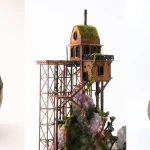
The painting above by Megan Buccere, exemplifies respectful reference usage. Megan drew inspiration from one of my photographs, not by copying it verbatim, but by infusing her unique vision and creativity into the composition. This approach—incorporating elements from a reference while breathing life into your distinctive interpretation—exemplifies the art of utilizing references to find your own voice as an artist.
When the privilege of using a photographer’s work is granted, it’s customary and supportive to offer due credit when sharing your creation. This gesture of recognition not only acknowledges the source but also nurtures a collaborative spirit within the creative community.
How To Make The Image Your Own
Embarking on an artistic journey often begins with the practice of copying. This initial phase serves as a fundamental stepping stone in learning to render what we see because we need something to see in order to draw. Drawing purely from memory or imagination is a more intricate challenge that comes later in our artistic growth.
By working with reference images, we gain invaluable insight into the subtleties of tones, intricate details, and nuances that our memory tends to overlook.
Transformation & Style Techniques
1. Seek Inspiring Images and Contemplate Alterations
Find an image that ignites your creative spark, then consider the myriad ways you can alter it. If your reference features a person with light hair, consider the striking impact of transforming it into a darker hue. Similarly, explore alterations like changing long hair to short for a fresh perspective.
2. Harness the Essentials in Your Outline
Utilize the key elements of the image in your outline. You can freehand your drawing while closely observing the reference, employ grid-based techniques for precision, utilize a lightbox for tracing, or use transfer paper. For instance, you might adore the jawline, lips, and eyes in the reference but wish to reimagine the nose to better suit your artistic sensibilities.

3. Craft a Tailored Color Palette
Color palettes hold the power to imbue your artwork with a unique personality. Take the liberty to select hues that resonate with your creative spirit. Consider departing from the original reference’s color scheme entirely—introduce a captivating blend that speaks to your artistic vision.
4. Fusion of Multiple References
Don’t limit yourself to a single reference image. The art of combining elements from different sources can yield remarkable results. Imagine taking the pose from one image and incorporating clothing patterns or backgrounds from another—this fusion breathes new life into your creation.

Drawing Inspiration from the Masters: Reference Images in Famous Art
It’s fascinating to discover that some of the most celebrated and iconic artists in history also harnessed the power of reference images to fuel their creative genius. Here are a few noteworthy examples:
Henri de Toulouse-Lautrec: This French post-impressionist painter and printmaker often used reference images to capture the vibrant nightlife of Paris in the late 19th century. His keen observation and reinterpretation of real-life scenes gave birth to iconic works like “Moulin Rouge: La Goulue.”
Norman Rockwell: Renowned for his heartwarming and quintessentially American illustrations, Rockwell frequently relied on photographs as references for his detailed and emotionally resonant paintings. His covers for The Saturday Evening Post are legendary examples of his use of reference images.
Alphonse Mucha: The celebrated Art Nouveau artist, Alphonse Mucha, known for his intricate and ornate designs, often employed reference images in his work. His ethereal and elegant depictions of women, as seen in his “Sarah Bernhardt” series, showcase the fusion of realism and decorative art.
We have a thing for oversharing...
New artist interviews, articles, books and more!
Exploration and Self-Discovery
Embracing the use of reference images offers you a window into the world of these artistic pioneers. It’s an invitation to experiment, expand your creative horizons, and discover your own unique style or artistic voice. Remember, the path to finding “your style” or “voice” is paved with experimentation, the occasional misstep, and the willingness to take artistic risks.
So, seize the opportunity to explore new frontiers in your artistry, much like these revered artists once did. By harnessing the power of reference images, you embark on a journey of self-discovery, where your creative potential knows no bounds.