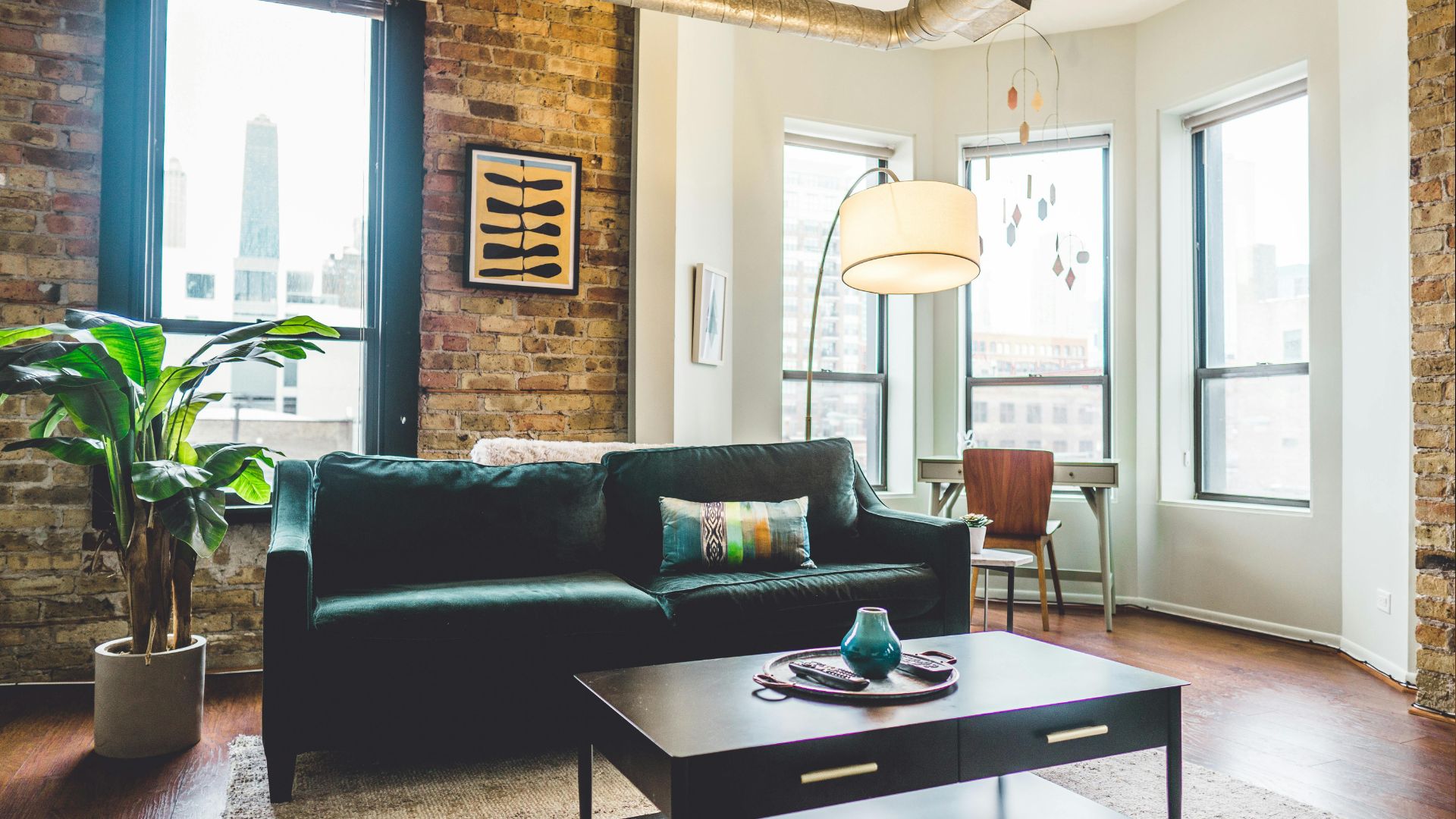
For years, I’ve been that person—the one mixing my grandmother’s mahogany side table with a sleek West Elm sofa, hanging vintage oil paintings above industrial shelving, watching friends politely nod while secretly thinking my living room looked like an upscale yard sale.
But something shifted.
Suddenly, what felt like my quirky collecting habit became… trendy?
Walk into any design-forward home today and you’ll find 18th-century landscapes casually leaning against concrete walls, Art Deco mirrors reflecting minimalist sculptures, and Persian rugs anchoring rooms filled with contemporary furniture.
The eclectic mix that once required an apologetic “I know it’s a lot” has become the gold standard of good taste. Welcome to the era of heritage maximalism—where collectors like us finally get our moment.
The Rise of Heritage Maximalism
The design world has coined a term for what many of us have been doing all along: heritage maximalism. Unlike the stark minimalism that dominated the 2010s, this approach celebrates abundance, personality, and the art of the mix (Homes and Gardens).
Heritage maximalism blends classic traditional decorating with the expressive vibrancy of maximalist style, creating spaces that feel collected over time and bursting with personality. It’s about curated abundance—not clutter.
The trend aligns perfectly with how younger collectors are approaching art and decor. As we’ve seen in the art market, there’s a growing appetite for what some call “maximalist” or idiosyncratic styles, where older artworks, antique furniture, and contemporary pieces all sit together (Artnet News).
For those of us who’ve always collected this way, it’s validating. We weren’t confused about our style—we were just early.
The Rise of Heritage Maximalism
The design world has coined a term for what many of us have been doing all along: heritage maximalism. Unlike the stark minimalism that dominated the 2010s, this approach celebrates abundance, personality, and the art of the mix.
Heritage maximalism blends classic traditional decorating with the expressive vibrancy of maximalist style, creating spaces that feel collected over time and bursting with personality (Homes and Gardens). It’s about curated abundance—not clutter.
The trend aligns perfectly with how younger collectors are approaching art and decor. As we’ve seen in the art market, there’s a growing appetite for what some call “maximalist” or idiosyncratic styles, where older artworks, antique furniture, and contemporary pieces all sit together (Artnet News).
For those of us who’ve always collected this way, it’s validating. We weren’t confused about our style—we were just early.
Why Everyone Suddenly Gets It
Several factors are driving this eclectic approach becoming mainstream:
Sustainability: People are buying more antique pieces than ever before because they’re typically well-made, can be brought home the same day with no wait time, and they’re a much more sustainable choice than buying new furniture (Veranda).
Rejection of Sameness: After a decade of identical white-walled, minimalist interiors flooding Instagram, homeowners are craving individuality. Maximalist interiors are characterized by eclectic décor that mixes personal heirlooms, quirky art pieces, antiques and the latest contemporary furniture (Moores Interiors).
The Experience Economy: Collections tell stories. Whether it’s a vintage find from a Paris flea market or an inherited piece with family history, these objects create narratives that mass-produced furniture simply can’t.
Social Media Inspiration: Platforms like Pinterest and Instagram have made it easier than ever to see how design professionals mix eras successfully, giving DIY decorators the confidence to experiment (Catherine Jordan Design).
How to Mix Without Looking Like a Thrift Store Exploded
So how do you blend a Louis XVI chair with a sleek modern coffee table without your living room looking like a confused antique mall?
Here’s what actually works:
Quality Over Everything
Whether you have something from the 18th century, the 1960s or today, the quality of craftsmanship and workmanship must be in harmony with everything else in the room, according to celebrated interior designer Bunny Williams (Schumacher). The quality must all be complementary to each other.
Start with Lighting
Williams recommends beginning with contemporary lighting when mixing eras. There are extraordinary modern lighting designers making beautiful fixtures that can anchor a room filled with antiques (Schumacher).
Use Color as the Unifier
One of the best ways to foster cohesive interior design, regardless of design era, is by uniting styles with similar colors (Extra Space Storage). Think jewel tones like emerald green and sapphire blue, or stick to a neutral palette that lets statement pieces shine.
Layer Textures
In maximalist design, antique furniture sits comfortably beside modern pieces, and bold prints find harmony with intricate textures (Hommes Studio). Combine velvet, linen, silk, leather, and natural woven materials for a rich, visually appealing space.
Create Focal Points
Rather than scattering antiques throughout your home, concentrate them in a single area to create an accent space that draws the eye (The Honeycomb Home).
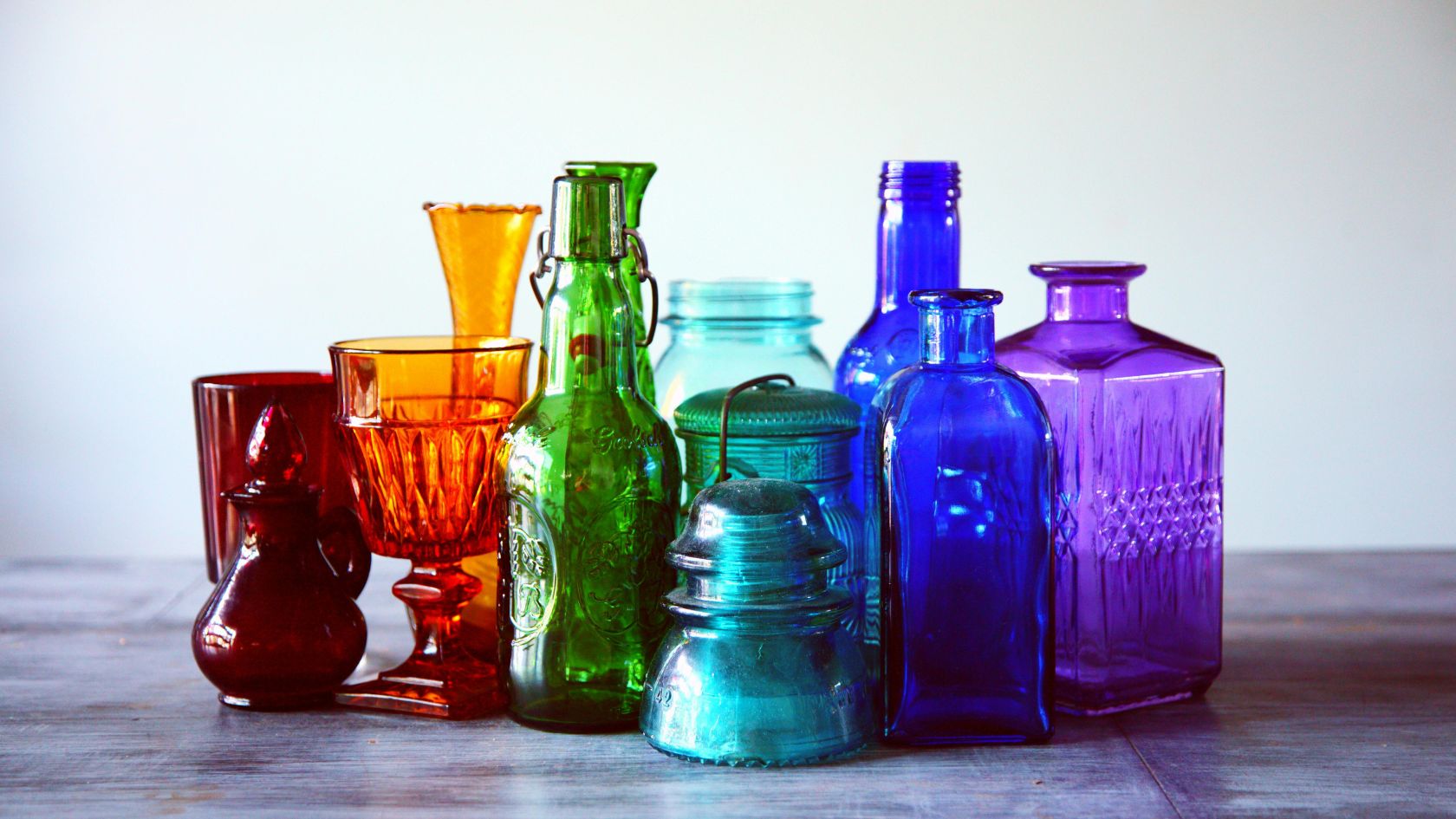
What’s Actually Selling at Antique Markets Right Now
The antiques market is experiencing interesting shifts, with certain categories gaining traction among younger buyers:
Gustavian Furniture
This Swedish style rooted in French Neoclassical design has always had a cult following, but its appeal is becoming more widespread in 2025 (Veranda).
Folk Art
There’s exciting interest in art forms that were historically categorized as “domestic arts,” “applied arts,” or “craft” to differentiate them from high art (Veranda). These pieces pair beautifully with contemporary interiors due to their clean lines and simple shapes.
Murano Glass
Decorative Murano glass pieces—ranging from mirrors and chandeliers to lamps and glassware—have been made in Italy for more than 1,500 years and are beloved for their playful elegance (House Beautiful).
Dark Wood Furniture
After years of bleached and lighter wood dominating design spaces, there’s a resurgence of interest in traditional dark woods. Layering contemporary art combined with fine porcelains and other antique accessories can breathe new life into these historically important pieces (Veranda).
Art Deco and Art Nouveau
There’s strong demand for Art Nouveau and Art Deco decorative objects, lighting, and collectibles, as well as antique case pieces and tables with hand-carved, hand-painted, and ornate details (Veranda.
We have a thing for oversharing...
New artist interviews, articles, books and more!
The One Rule That Actually Matters
The key to successful era-mixing isn’t following rigid rules—it’s developing an eye for balance and understanding your own taste.
Designer Emily Henderson, who built her career mixing vintage and modern, offers this wisdom: Adding a few contemporary or modern pieces elevates vintage finds and gives needed context. Without that mix, a space can look more like a thrift store than a curated home (Style by Emily Henderson).
The sweet spot? Big furniture pieces—sofas, beds, dining tables—should typically be new and comfortable. Use vintage, handmade items, and antiques for art, ceramics, small furniture, and textiles (Style by Emily Henderson).
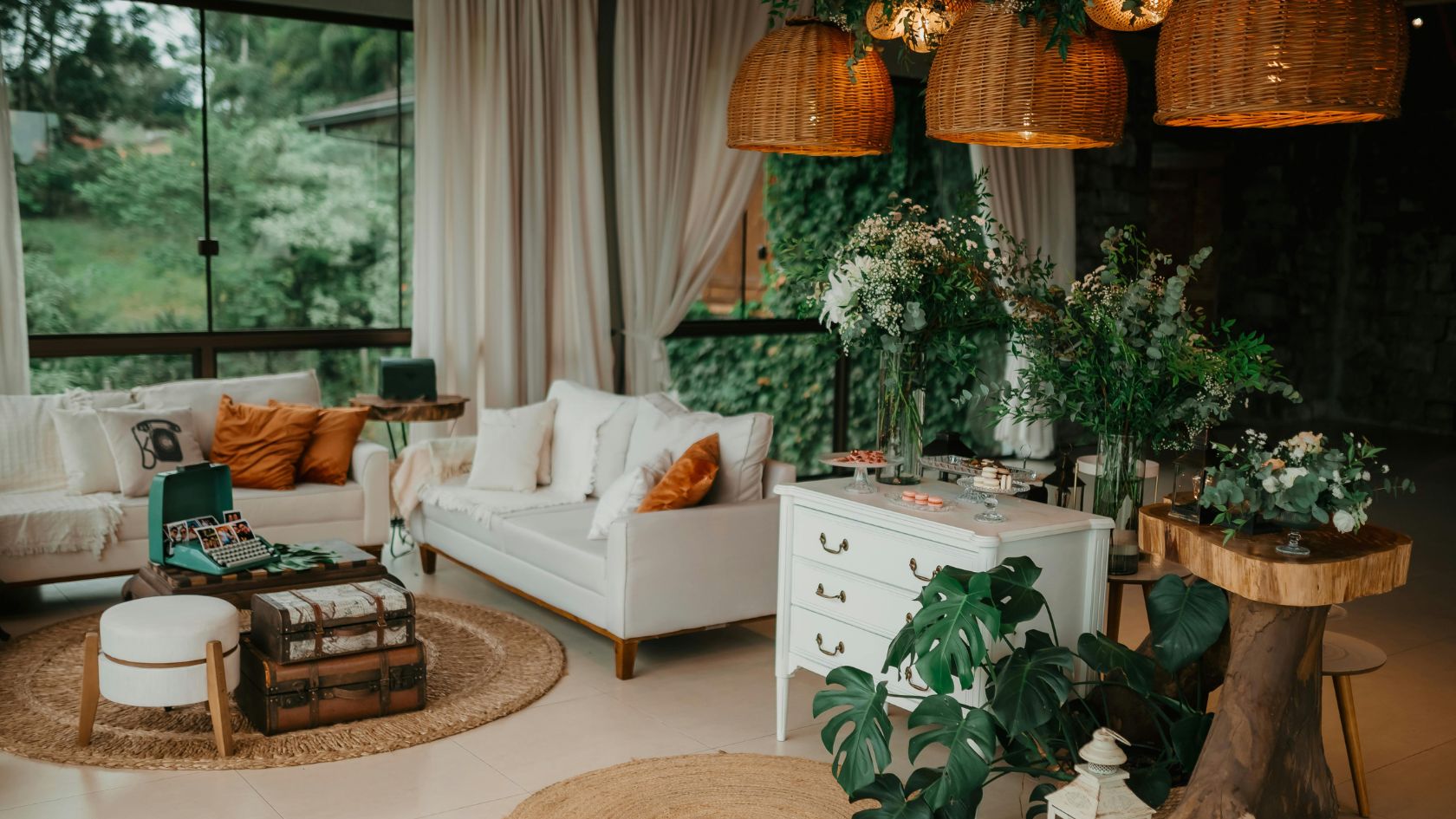
We Were Right All Along
This movement toward mixing eras represents something deeper than a design trend. It’s a rejection of the idea that our homes should look like showrooms or Instagram feeds. Instead, collectors are creating spaces that reflect actual lives—layered, personal, and full of stories.
As one design expert puts it: Maximalism is about using lots of color, painterly print, and rich textures—not just accumulating lots of stuff (Peachtree Building Group).
For those of us who’ve always collected this way—mixing inherited pieces with flea market scores and contemporary splurges—this moment feels less like jumping on a trend and more like finally being understood. The eclectic approach we’ve championed is no longer the exception. It’s become the rule.
And honestly? It’s about time.
Sources
- “The New Renaissance of Old Masters,” Frieze, https://www.frieze.com/article/new-renaissance-old-masters
- “Why Are Young Collectors Buying Old Art? Frieze Masters’ New Director Explains,” Artnet News, https://news.artnet.com/market/frieze-masters-emanuela-tarizzo-interview-2694898
- “Maximalism Resurgence: Boldness In 2024’s Design Trends,” Hommes Studio, March 5, 2024, https://hommes.studio/journal/maximalism-resurgence-in-2024s-design-trends/
- “Heritage maximalism – the interior trend to know now,” Homes and Gardens, August 25, 2025, https://www.homesandgardens.com/interior-design/heritage-maximalist-trend
- “Trends 2025: Maximalism in Interior Design,” Moores Interiors, https://www.mooresinteriors.co.uk/2024/11/04/maximalism/
- “Maximalism: The Story of You,” Catherine Jordan Design, December 7, 2023, https://www.catherinejordandesign.com/blog-posts/maximalism-the-story-of-you
- “Bunny Williams’ 6 Tips For Decorating With Antiques,” Schumacher, October 30, 2022, https://schumacher.com/blog/bunny-williams-antiques/
- “17 Home Decorating Ideas for Mixing Modern & Vintage Decor,” Extra Space Storage, September 25, 2024, https://www.extraspace.com/blog/home-organization/mix-modern-vintage-home-decor/
- “Experts Predict These Antique Home Decor Trends Will Take Off in 2025,” House Beautiful, January 12, 2025, https://www.housebeautiful.com/design-inspiration/a63351668/antique-home-decor-trends-2025/
- “These 12 Antique and Vintage Trends Will Surge in Popularity in 2025,” Veranda, February 4, 2025, https://www.veranda.com/home-decorators/design-trends/a61779294/antique-vintage-trends-2025/
- “7 Antique Trends That Are Predicted to Surge in Popularity in 2024,” Veranda, January 30, 2024, https://www.veranda.com/home-decorators/design-trends/g46584591/antique-trends-2024/
- “Mixing Antiques with Modern Decor,” The Honeycomb Home, January 7, 2025, https://thehoneycombhome.com/mixing-antiques-with-modern-decor/
- “Maximalism Interior Design is Back in 2024!” Peachtree Building Group, April 25, 2024, https://www.pbgbuilt.com/maximalism-interior-design-is-back-in-2024/
- “How And Why I Mix Vintage + Modern,” Style by Emily Henderson, September 18, 2024, https://stylebyemilyhenderson.com/how-and-why-i-mix-vintage-and-modern-home-decor

Aunia Kahn, Editor In Chief
Aunia Kahn is an artist, gallerist, curator, and collector. She co-owns Poetic Tiger Gallery, serves as Founder and Editor-in-Chief of Hyperlux Magazine. As an award-winning painter, her work has been featured in My Modern Met, Colossal, Create! Magazine, Yahoo, Prevention Magazine, Beautiful Birarre Magazine and Authority Magazine. She has published various books and curated projects through Red Feather Publishing and US Game Systems and has also been a contributing writer for Better Marketing and Just Creative.