Walk into any contemporary art fair today, and you’ll see something troubling: row after row of work that looks like it was generated by the same creative algorithm. Soft pastels, minimalist botanicals, inspirational typography, abstract shapes in millennial pink—it’s as if thousands of artists received the same memo about what sells.
This isn’t coincidence. It’s the result of visual artists adopting the same formula-driven approach that has already hollowed out so much creative expression in other fields. And the consequences for authentic artistic voice are devastating.
When Studios Become Production Lines
Twenty years ago, an artist’s studio was a laboratory—messy, experimental, full of failed attempts and breakthrough discoveries. Today, too many studios look like content factories. Artists mix the same popular color combinations, work from the same trendy reference photos, and produce variations on themes that have already proven successful.
The exploration is gone. The risk-taking is gone. The willingness to fail in pursuit of something meaningful has been replaced by the certainty of producing something that will perform well online and sell consistently.
Don’t Get Me Started On AI Generated Art
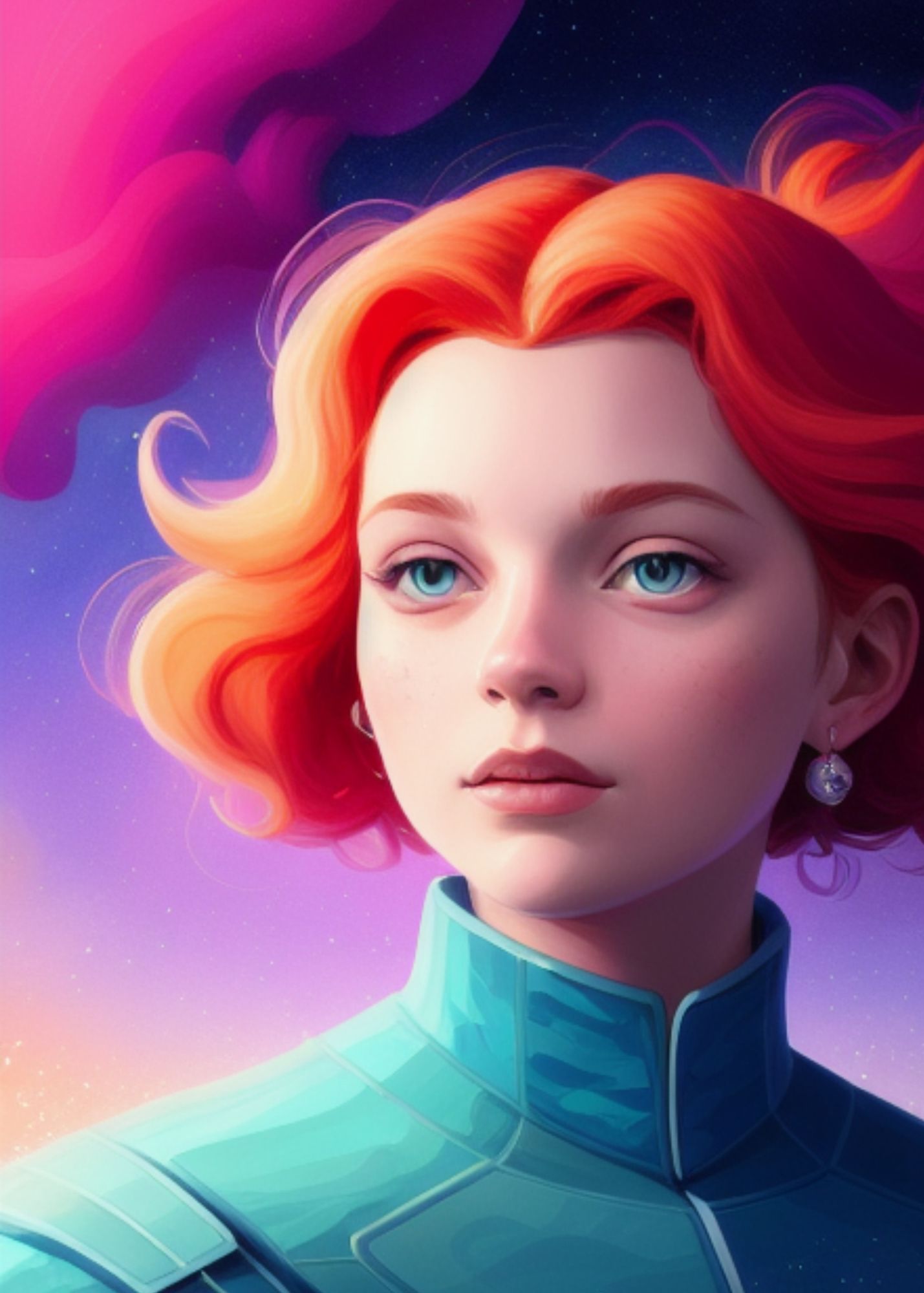
And don't get me started on AI-generated art—it's taken this formula obsession to its most extreme conclusion. Every AI piece carries the same digital fingerprint: that glossy, over-rendered quality that screams "algorithm."
The images all share an unmistakable smoothness, hyper-saturated colors, and compositional choices that feel mathematically perfect but emotionally hollow. Some of it is pretty – but does it have soul?
Whether it's fantasy landscapes, portraits, or abstract work, AI art has that sterile uniformity because it's literally averaging thousands of existing images to create something that looks "artistic" without containing any actual human experience or genuine creative decision-making. It's the ultimate manifestation of art-by-formula—technically proficient, aesthetically pleasing, and completely devoid of the messy humanity that makes real art compelling.
When Well Know Artists Use Art To Manipulate The Algorithm
But here’s what’s really troubling: we all know a handful of well-established artists in the industry who mysteriously shifted their entire aesthetic right when AI exploded onto the scene. Artists who spent years developing one style suddenly pivoted to work that looks suspiciously like it could have been generated by Midjourney or DALL-E.
The timing is too convenient, the stylistic shift too dramatic, and the results too polished to ignore. Yet because these artists have established reputations and industry pull, no one calls it out. Their galleries keep promoting them, collectors keep buying, and the art world pretends not to notice the obvious algorithmic influence in work that’s suddenly being passed off as purely human creation.
It’s the emperor’s new clothes of the contemporary art scene—everyone can see it, but their success and influence make the truth unspeakable.

The Death of Artistic Risk
What we’re really losing is artists’ willingness to pursue their authentic vision, even when that vision might not find immediate commercial success. Historical artistic breakthroughs came from painters who were willing to fail, to experiment, to create work that challenged both themselves and their audience.
Formula-driven art eliminates this possibility. When you know what sells, why risk creating something that might not? When algorithms reward consistency, why explore new territory? When building a brand requires recognizable work, why evolve?
The Surface-Level Trap
Formula art optimizes for immediate visual impact—the kind that translates well through phone screens and generates quick emotional responses. But this approach sacrifices the depth, complexity, and nuance that make art compelling over time.
Real artistic exploration creates work that reveals new layers with extended viewing, that challenges initial impressions, that grows more interesting rather than less. Formula art does the opposite—it delivers its entire impact in the first glance and has nothing left to offer.
The Economic Pressure
The art market now rewards artists who can produce consistent, recognizable work efficiently. Gallery representation depends on having a clear “style” that collectors can identify across a room. Social media algorithms boost content that fits established patterns. Commission work flows to artists with proven formulas.
These economic realities create powerful incentives to find a successful formula and stick with it, regardless of whether that formula represents authentic artistic expression. Galleries want artists who can fill solo shows with cohesive bodies of work that photograph well for catalogs and online viewing rooms.
Collectors seek pieces that fit seamlessly into their existing collections or investment portfolios—work that’s recognizable enough to maintain value but not so challenging that it becomes difficult to resell. Art fairs favor booths where every piece clearly belongs to the same “brand,” creating visual consistency that draws buyers from across the hall.
The pressure extends beyond just aesthetic consistency. Artists are expected to produce work at market-driven speeds—enough pieces to keep galleries supplied, social media fed, and collector demand satisfied. This production timeline leaves little room for the extended experimentation and development that authentic artistic growth requires.
When rent is due and gallery deadlines loom, the temptation to repeat what’s already proven successful becomes overwhelming. The economic system has essentially industrialized creativity, turning artists into manufacturers of their own aesthetic formulas rather than explorers of genuine creative territory.
The Cultural Consequence
When artists optimize for algorithms rather than authentic expression, we’re witnessing the systematic dismantling of art’s fundamental purpose. Art has always been humanity’s most powerful tool for showing us new ways of seeing, for challenging our deepest assumptions, for processing the complex and often uncomfortable truths of human existence that can’t be packaged into trending hashtags or bite-sized content.
But formula-driven art strips away this transformative power. Visual art becomes mere decoration—pleasant wallpaper for comfortable lives rather than mirrors that force us to confront difficult realities. We’re trading communication for content, cultural dialogue for digital engagement metrics. Our walls fill with pretty objects that whisper nothing meaningful about what it means to be human in this moment, in this world, with all its beauty and brutality.
This isn’t just an aesthetic loss—it’s a cultural catastrophe. When art stops challenging us, when it stops making us uncomfortable, when it stops forcing us to think beyond our existing frameworks, we lose one of our most essential tools for understanding ourselves and our world.
We’re left with a visual culture that confirms rather than confronts, that soothes rather than provokes, that decorates our spaces while leaving our minds unchanged. The very thing that once pushed civilization forward now serves only to make our feeds more scrollable and our rooms more photogenic.
We have a thing for oversharing...
New artist interviews, articles, books and more!
The Choice Every Artist Faces
Every visual artist today confronts this decision: chase the formula for immediate success, or pursue authentic artistic development with uncertain commercial outcomes. Neither choice is inherently wrong, but it’s crucial to understand what each path preserves and what it sacrifices.
Artists who resist formula-driven work may not build massive social media followings or achieve rapid commercial success. But they keep alive what art is supposed to do—surprise us, challenge us, help us see through someone else’s genuine vision rather than through market research.
The Path Forward
The most hopeful artists today are those finding ways to maintain authentic artistic development while still building sustainable careers. They create work for themselves first, then find audiences who connect with that genuine expression. They resist the pressure to reproduce successful pieces endlessly, instead allowing their work to evolve and grow.
These artists understand that building a real artistic legacy requires more than optimizing for current algorithms. It requires the courage to develop a genuine voice, even when that voice doesn’t immediately fit established market categories.
The question facing every serious artist is simple:
Will you create a formula for selling, or will you create with authentic purpose?
The choice you make will determine not just your commercial success, but what kind of cultural contribution your art ultimately makes.