The Foundation of Artistic Growth
Creating art is a lifelong journey of growth, experimentation, and continuous learning. While the creative landscape has never been more diverse, one fundamental truth remains: the thirst for knowledge and skill development drives every serious artist forward. Whether you’re exploring art for self-discovery, building a teaching career, or pursuing professional artistic goals, the path to mastery requires both inspiration and systematic instruction.
In our increasingly digital world, art education faces unique challenges, with 65% of art teachers being the only instructor in their building, creating isolation in learning environments. Yet this challenge has sparked innovation in how artists access education and skill development.
The art education market itself reflects this hunger for knowledge.
The broader educational landscape shows equally compelling trends. Recent research published in npj Science of Learning found that students aged 14-16 who participated in at least two semester-length arts workshops achieved higher grades in language arts and math, along with overall improvements in GPA. This data underscores what many artists instinctively know: developing creative skills enhances learning across all disciplines.
Why Books Remain Essential for Artists
Despite the digital revolution transforming how we learn, books remain remarkably resilient in the art education space. Print books now account for about 75% of total book sales in 2022, compared to 69% in 2012, indicating a strong consumer preference for physical books. This preference makes perfect sense for artists: you can’t easily flip between reference pages on a screen while your hands are covered in charcoal or paint.
The global books market was valued at approximately $150.99 billion in 2024 and is projected to reach $192.12 billion by 2030, growing at a CAGR of 4.2% from 2025 to 2030, with educational and instructional books driving significant portions of this growth. For artists specifically, books offer irreplaceable advantages: the ability to study at your own pace, annotate directly on pages, and reference multiple sections simultaneously—luxuries that digital formats struggle to match.
Books also align with how serious artists approach skill development. Just as 90% of art teachers report being most comfortable with two-dimensional mediums like painting and drawing, the books we’ve selected focus on these foundational skills that transfer across all artistic pursuits.

Transforming Artistic Practice Through Strategic Learning
The four books below aren’t just instructional materials—they’re tools for transformation that address the core competencies every developing artist needs. Each book tackles a specific skill that research shows significantly impacts artistic growth, from anatomical accuracy to color harmony. They represent the intersection of classical training methods and modern educational approaches, designed for the contemporary artist who values both tradition and innovation.
Suggested Books
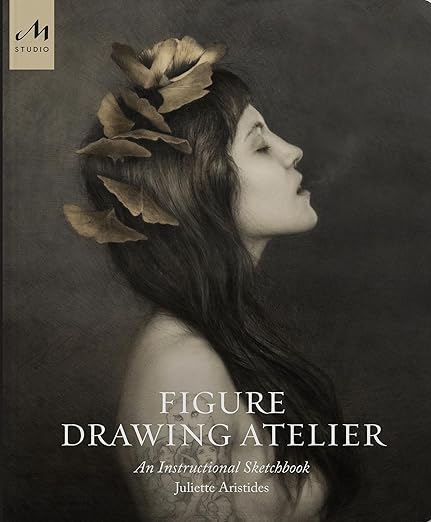
Figure Drawing Atelier: An Instructional Sketchbook by Juliette Aristides
Why it works: Aristides combines classical training methods with modern teaching techniques, creating a systematic approach to figure drawing that builds genuine skill rather than offering quick fixes.
What you’ll gain: This book transforms intimidating anatomy into manageable lessons. Through progressive exercises, you’ll develop the ability to see proportions accurately, understand how light defines form, and capture the essential gesture that brings figures to life. The sketchbook format encourages active participation—you’re not just reading about drawing, you’re doing it.
Best for: Artists ready to commit to serious figure study, whether you’re a beginner building foundations or an experienced artist refining your observational skills.
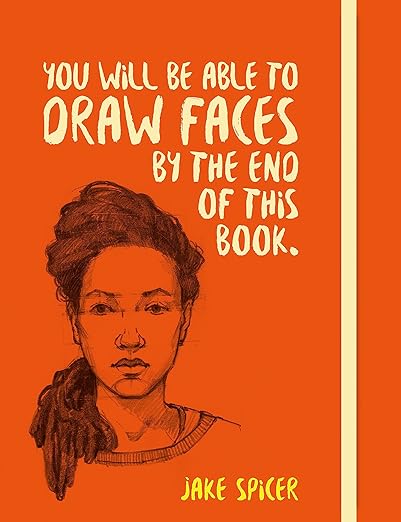
You Will Be Able To Draw Faces By The End Of This Book by Jake Spicer
Why it works: Spicer’s approach demystifies portrait drawing by breaking down faces into understandable components. His method focuses on seeing relationships between features rather than memorizing formulas.
What you’ll gain: The confidence to approach any face with a systematic method. You’ll learn to identify key landmarks, understand how features relate to each other, and develop the observational skills that make portraits feel alive rather than rigid. The book’s progressive structure ensures you build skills incrementally.
Best for: Anyone who’s ever felt intimidated by portrait drawing, from complete beginners to artists who want to strengthen their approach to facial features.
You Will Be Able To Draw Faces By The End Of This Book
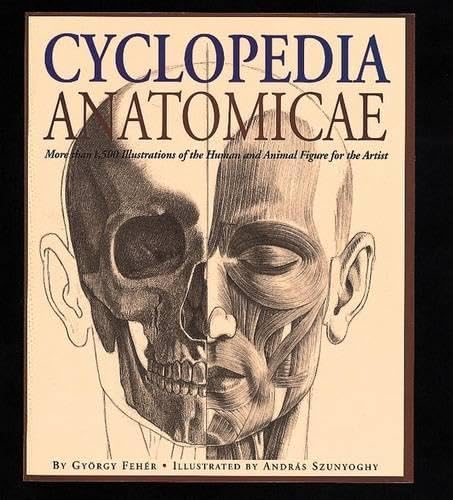
Cyclopedia Anatomicae: More Than 1,500 Illustrations of the Human and Animal Figure for the Artist” by Gyorgy Fehér and András Szunyoghy
Why it works: This comprehensive reference presents over 1,500 illustrations that serve as a visual encyclopedia of both human and animal anatomy. The drawings are both scientifically accurate and artistically inspiring.
What you’ll gain: A deeper understanding of how bodies actually work beneath the surface. This knowledge translates into more convincing figures, whether you’re drawing realistic portraits or stylized characters. The animal anatomy section opens up new creative possibilities for artists interested in wildlife or fantasy subjects.
Best for: Artists serious about anatomical accuracy, illustrators working with creatures of all kinds, and anyone who wants to understand the “why” behind how bodies look and move.
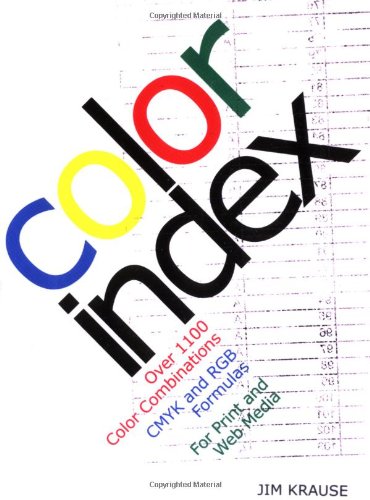
Color Index: Over 100 Color Combinations by Jim Krause
Why it works: Rather than overwhelming you with color theory, this book presents practical, tested combinations that actually work. Each palette includes suggestions for when and how to use it effectively.
What you’ll gain: The ability to choose colors with intention rather than guesswork. You’ll develop an intuitive sense for which colors harmonize and which ones create the mood you’re seeking. This is particularly valuable for artists who struggle with color relationships or feel stuck using the same palette repeatedly.
Best for: Artists working in any medium who want to expand their color vocabulary, from traditional painters to digital artists and designers.
Making the Most of These Resources
These books work best when used actively. Don’t just read them—work through the exercises, take notes in the margins, and keep them accessible in your studio. Each book addresses a different aspect of artistic skill, so they complement each other rather than compete.
Consider your current artistic goals when deciding which to tackle first. If you’re struggling with basic drawing fundamentals, start with the figure drawing or portrait books. If you can draw well but your work lacks impact, the color book might be your breakthrough.
Remember that artistic growth happens through consistent practice, not cramming. These books are designed to be revisited as your skills develop, revealing new insights each time you return to them.
The path to artistic mastery is built on solid fundamentals, and these four books provide exactly that foundation. They’re not just instructional materials—they’re tools for transformation.

Aunia Kahn, Editor In Chief
Aunia Kahn is an artist, gallerist, curator, and collector. She co-owns Poetic Tiger Gallery, serves as Founder and Editor-in-Chief of Hyperlux Magazine. As an award-winning painter, her work has been featured in My Modern Met, Colossal, Create! Magazine, Yahoo, Prevention Magazine, Beautiful Birarre Magazine and Authority Magazine. She has published various books and curated projects through Red Feather Publishing and US Game Systems and has also been a contributing writer for Better Marketing and Just Creative.