In times of political unrest, when injustice feels suffocating and the world seems fragmented by division, artists are often among the first to respond—not with weapons or policy, but with vision, resistance, and truth-telling. Art has always held a mirror to society, and in times of crisis, that mirror becomes a magnifying glass, a torch, or a window into possibility.
When the politics are “a mess,” when institutions fail to serve the people, when voices are silenced or dismissed—what can artists do? They create. They witness. They reimagine.
1. Create Politically Engaged Work That Speaks to the Moment
Artists have long played a role in chronicling injustice and agitating for change. From Francisco Goya’s haunting images of war, to the protest murals of Diego Rivera, to the guerrilla installations of Ai Weiwei—art becomes a battleground for truth. When artists respond to oppressive systems, they remind us that art is not a luxury or a distraction, but a tool of consciousness.
You can speak through paintings, illustrations, performances, installations, textile, music, or video—whatever medium best translates your message. It doesn’t have to be explicit. Sometimes just refusing to remain silent is enough.
What matters is authenticity: creating from a place of urgency, empathy, and intention.

2. Use Metaphor, Symbolism, and Allegory
Not every political message needs to shout. Many of the most powerful works throughout history have used metaphor to bypass censorship or emotional fatigue. Surrealism, folk art, magical realism, and outsider art have long carried coded meanings, often serving as resistance in disguise.
For artists who fear repercussions, metaphor becomes survival. Think of how artists in authoritarian regimes embedded messages of freedom in symbols. Art becomes the language between the lines—a whisper that still carries weight.
A cracked porcelain doll can speak of lost innocence. A scorched landscape might reflect ecological grief. A missing figure in a painting can signal erasure. These subtle strategies leave room for interpretation while carrying deep meaning.
3. Speak Out Through Your Platform (Or Build Your Own)
While not every artist feels comfortable being public-facing, those who choose to can use their voice beyond the canvas. Social media, blogs, newsletters, podcasts, and in-person conversations all provide platforms for raising awareness.
You don’t need to have thousands of followers to make a difference. Even small ripples matter.
That said, not all political labor needs to be visible online. Many artists are exhausted by the demand to “perform activism” 24/7. Real change often happens in studios, community spaces, and kitchen tables—not in hashtags.
So if your work is your protest, let it speak. If your silence is your resistance, let that be known too.
4. Organize, Collaborate, and Show Together
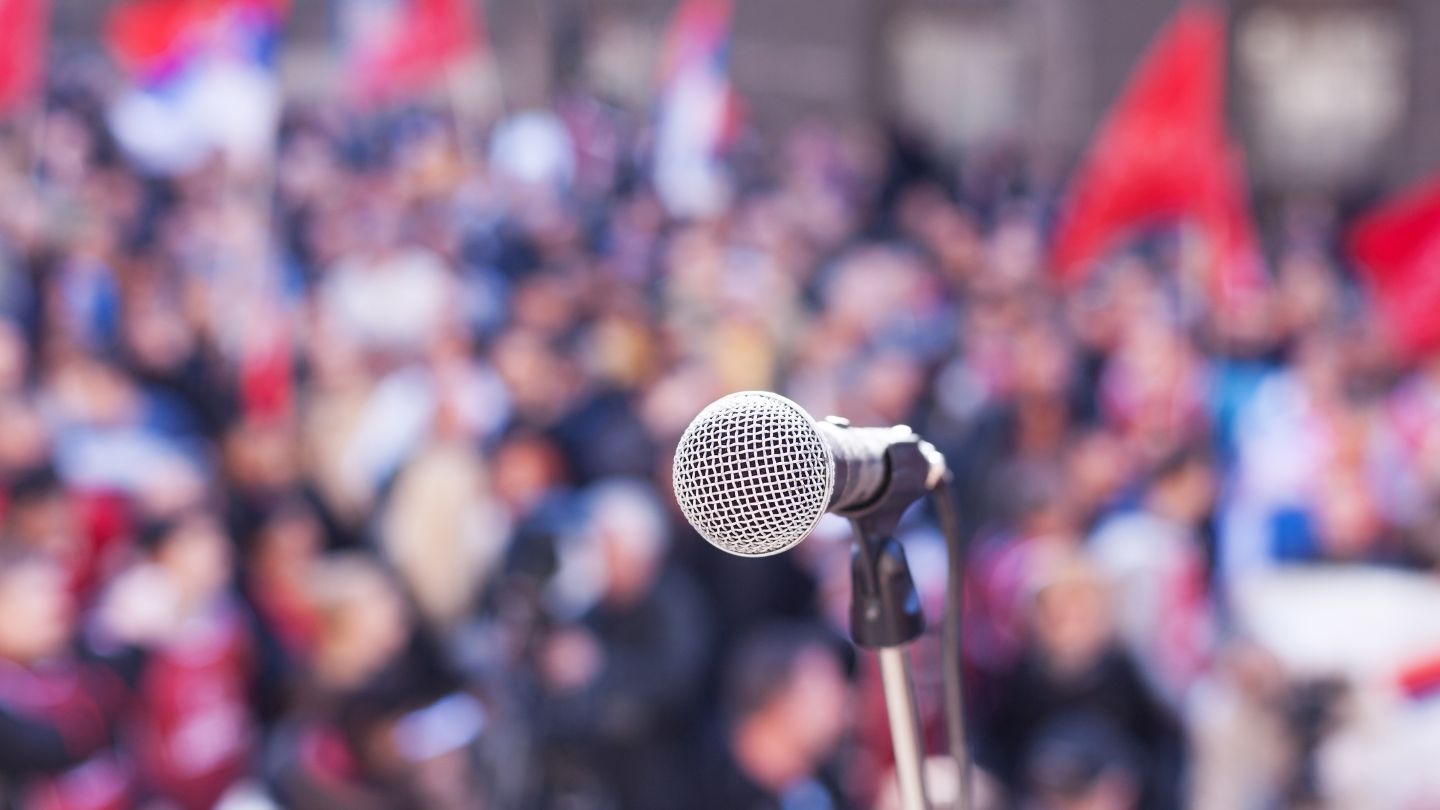
Art becomes more powerful when it’s shared. Consider curating or participating in group exhibitions that address political themes—justice, climate collapse, labor rights, bodily autonomy, censorship, war, identity. Invite diverse voices. Open the doors wide.
Performance art, protest banners, community murals, pop-up installations, and guerrilla exhibitions are all potent ways to activate political space. Public art in particular holds the power to reach people who might never enter a gallery.
Collaborations with grassroots movements, activist organizations, mutual aid groups, or collectives can create stronger impact—and remind us that art doesn’t exist in a vacuum.
5. Make Your Practice a Form of Resistance
Art doesn’t need to be overtly political to be political. In a world that prioritizes productivity, consumption, and conformity—making time to create, to rest, to dream, and to nurture beauty is radical in itself.
For artists living with disability, chronic illness, or marginalization, the very act of continuing to create is defiant. To center joy, tenderness, grief, or cultural memory in your work is an act of preservation and protest.
When the world feels like it’s burning, building beauty isn’t frivolous—it’s vital.
We have a thing for oversharing...
New artist interviews, articles, books and more!
6. Support Movements Through Your Work
Your art can be a means of supporting causes financially or raising awareness. Many artists create limited editions or works where proceeds go toward bail funds, refugee support, reproductive rights organizations, environmental groups, or mental health resources.
Other artists offer free or sliding scale downloads of protest posters, digital zines, or educational resources to empower communities. Some partner with nonprofit organizations to create campaigns or visibility projects.
Whether you’re giving time, skill, or profit, it’s a way to ensure your creativity contributes to real-world impact.
7. Write, Reflect, and Document
Political expression doesn’t always take visual form. Writing essays, zines, op-eds, or poetic responses can allow you to articulate complex feelings and visions for a better future.
Artists are natural storytellers. By documenting what you see, feel, and experience, you become an archivist of your era. One day, someone will look back and wonder how people survived, resisted, and reimagined during turbulent times. Let your words and images be part of that archive.
It’s Okay to Do Nothing
In times of political chaos, it’s easy to feel pressured to speak out, take action, or create work that directly responds. But it’s also okay not to engage.
Choosing stillness doesn’t mean you don’t care—it means you’re protecting your energy, your mental health, or simply acknowledging your limits. Not every artist needs to be on the front lines. Not every piece needs to be a protest.
Making quiet, personal, or beautiful work is just as valid. So is resting. So is stepping away.
Your role doesn’t have to be public to matter. Refusing to be consumed by the noise is its own quiet resistance. You’re allowed to disengage—and come back when and if you’re ready.
Your art. Your pace. Your peace.
Final Thought: All Art Is Political—Even When It Doesn’t Seem Like It
Choosing to make art at all in a world built on profit and oppression is a political act. Choosing what to make, how to make it, and who it is for—these are all decisions rooted in values.
Not everyone needs to make protest posters or explicit commentary. Art can mourn, heal, incite, soothe, confront, or remind us of joy. All of these responses are valid and powerful.
And it’s also okay to do nothing.
You don’t have to respond to every crisis. You don’t have to create in reaction to the noise. Resting, protecting your peace, or making personal work that has nothing to do with politics is valid too. Choosing stillness in a chaotic world is sometimes the most radical act of all.
So when the politics feel like they’re crumbling, remember: your art is not small. Your work might be someone’s mirror, someone’s call to action, or someone’s sense of hope. Make it count—or don’t. Either way, your existence as an artist still matters.