Being in the art world for over 20 years, I’ve seen the market rise and fall more times than I can count. Art markets—like all markets—move in cycles. They’re shaped by countless factors: the economy, politics, global crises, collector confidence, and cultural shifts we often can’t control.
Right now, the art world is feeling the squeeze.
According to Art Basel & UBS, total global art market sales dropped from a peak of $64.1 billion in 2021 to roughly $49.1 billion in 2023 — a 23% decrease in just two years.
Gallery art sales are slower.
Original artwork is sitting on gallery walls longer than before. It’s true: buying art isn’t a necessity. It’s a joy, a luxury, even a commodity outside basic survival needs. Because of this, buyers are thinking more carefully before parting with their money. Even collectors with deep pockets are hitting the brakes, reassessing purchases. And mid-tier artists—who rely on collectors with smaller budgets—are seeing those buyers hesitate, weighing their choices more deeply than ever.
A 2023 Hiscox Online Art Trade Report found that 63% of collectors postponed or reduced art purchases due to economic uncertainty.
Art sales are slow for artists.
Art sales are slower for a variety of reasons—not just the global economic shifts, but also the uphill battle artists face trying to reach buyers. Platforms like Instagram and TikTok have become gatekeepers, controlled by algorithms that don’t favor steady, quiet creators.
If you’re not jumping up and down, following every trend, or dedicating hours to bowing before the social media gods, your work gets buried. It’s not enough to simply post good art anymore—visibility often depends on chasing viral moments, participating in endless reels, or bending yourself to the whims of followers and algorithms.
For artists focused on their craft rather than the spotlight chase, this can feel impossible. The result? Even great work struggles to find an audience—and sales slow down even more.
The Reality Behind the Numbers: What’s Really Happening?
These numbers reflect real struggles: fewer sales, less exposure, and increased pressure on artists to adapt in a challenging market.
- The Art Basel & UBS Art Market Report 2024 shows a 23% drop in global art sales since 2021 — a major market shift, not just a minor slowdown.
- Emerging and mid-career artists are hit hardest, with sales down up to 30% in some areas, as they lack the collector base of established blue-chip artists.
- Collectors are holding back due to economic uncertainty—63% have delayed or reduced art purchases recently (Hiscox Report).
- Galleries are becoming more selective, reducing opportunities for many artists, especially those without strong representation.
- Social media algorithms now favor flashy, viral content over steady, authentic artistic voices, making it harder for many artists to be seen.
- Artists who don’t chase trends or viral moments feel invisible, leading to frustration and a sense of being devalued.
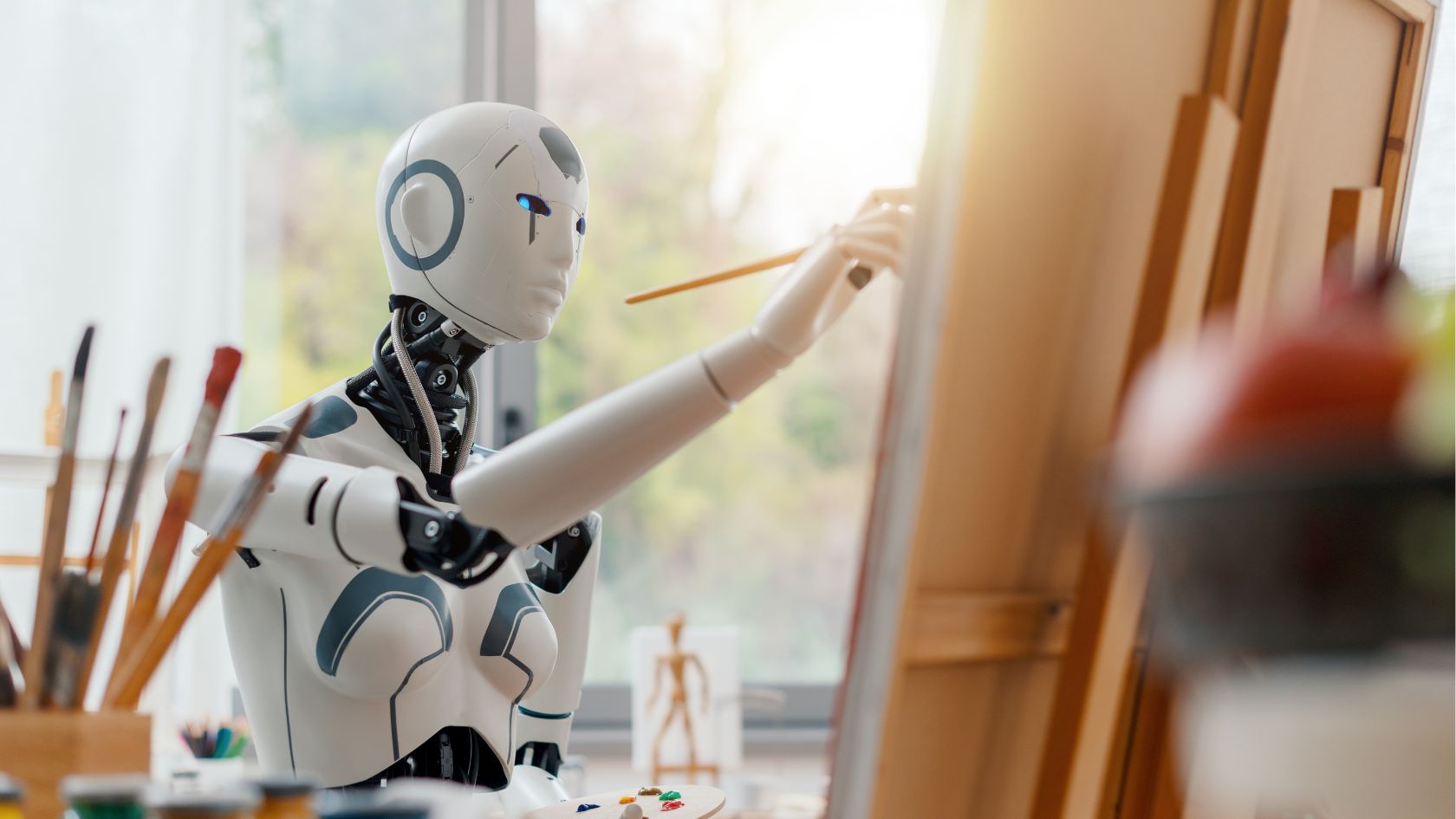
Adding AI’s role in the current art market landscape
AI-generated art is reshaping collector behavior: The rise of AI-created art has flooded the market with new, often inexpensive digital works, creating competition and changing buyer expectations. This can make it harder for mid-career artists, who rely on traditional, handmade works, to maintain their sales volume.
Market saturation and shifting value perceptions: As AI art tools become more accessible, the volume of available art—especially digital art—has exploded. This abundance can dilute perceived value, making collectors more cautious about investing in traditional or emerging artists’ original work.
Collectors’ skepticism and confusion: Some collectors are unsure how to value AI-assisted or AI-generated pieces, which adds uncertainty to purchasing decisions. Mid-tier artists may find themselves competing not just against other human artists but against a new category of art that challenges traditional notions of creativity and authenticity.
Artists’ adaptation and opportunity: Some artists embrace AI as a tool to enhance their creative process, opening new markets and audiences. However, many mid-tier artists struggle to integrate AI meaningfully, either due to lack of resources, skills, or resistance from their collector base.
Impact on pricing and sales cycles: Early evidence suggests AI-generated works often sell quickly at lower prices, which can pressure mid-tier artists to lower prices or increase output to compete, risking burnout and financial instability.
Why you’re feeling burnt out (and why it’s not your fault)
When sales slow and visibility drops, it’s easy to internalize the struggle. You start to ask yourself: “Am I not good enough? Is my art not worthy? Am I failing?”
These thoughts can spiral into anxiety, self-doubt, and depression. Mental health challenges among artists are not uncommon—yet they’re often ignored or stigmatized. In a world that prizes constant productivity and visibility, taking time to feel overwhelmed or discouraged can feel like a weakness.
But here’s what you must remind yourself: this is a systemic issue, not a personal flaw. The art market is in flux. The rules are changing faster than ever. And the pressure to “perform” online, constantly “create,” and “engage” with a public that’s simultaneously distracted and overwhelmed is crushing.
You are not alone in this. And your worth as an artist—and as a person—does not depend on your latest sale or social media metric.
Embracing sustainable resilience: the real strategy for artists in tough times
When the market slows and the noise around you grows louder, it’s easy to feel lost, exhausted, or like you’re running on empty. The truth is, surviving—and thriving—in a slow market isn’t about hacks or hustling harder. It’s about cultivating a deeper kind of strength: sustainable resilience.
This means shifting your mindset from burnout and exhaustion to intentional care, fierce self-respect, and radical patience with yourself and your process. It’s about building a foundation that will support your creativity and well-being for years to come, no matter what the market throws at you.
Here’s what that looks like in practice:

1. Give yourself unapologetic permission to pause
You’re not a machine — your creativity thrives on rest, not burnout. Studies show that burnout can slash creative output by 50% and increase anxiety and depression risk. So slowing down isn’t optional, it’s essential.
Remember: rest isn’t a pause from your career. It’s a power move that keeps your art alive and thriving.
- Here’s how to make rest a powerful part of your art practice:
- Step away from toxic social media: Algorithms are designed to drain your attention. Even short breaks boost focus and creativity.
- Say no without guilt: Turning down draining gigs protects your energy and respect.
- Schedule regular “digital detoxes”: Unplug for blocks of time to recharge your mind and spirit.
- Reconnect with nature or offline hobbies: These reset your brain and spark new ideas.
- Rest is strategic, not lazy: Recharging fuels long-term creativity and mental health.
2. Redefine success on your own terms
In today’s art world, success is often measured by external validation—sales numbers, social media likes, gallery representation, or viral reach. But if you’re constantly chasing metrics, it’s easy to lose sight of why you create in the first place. What if success isn’t something you measure by public recognition, but something you define from within?
Here’s the truth: your most meaningful growth might never be visible to the outside world.
Maybe success for you right now means showing up in the studio even when motivation is low. Maybe it’s allowing yourself to explore new mediums without the pressure of perfection. Maybe it’s building relationships with other creatives, mentoring younger artists, or deepening your connection to your own practice.
These quiet, unseen wins matter deeply. They are not detours or consolation prizes—they are the roots of a truly sustainable creative life.
- Developing your skills in private still counts.
- Experimenting, failing, and learning are forms of progress.
- Nurturing relationships and artistic community creates long-term support.
As artist and poet David Whyte once said: “The antidote to exhaustion isn’t rest. It’s wholeheartedness.”
When you define success on your own terms, you reclaim your power. You stop living by the expectations of an unpredictable market or an unforgiving algorithm. Instead, you begin to build a creative life that feeds you—even when it’s quiet, even when sales are slow.
So ask yourself: what does success look like for you—today, this season, this chapter?
Because that answer is what truly matters.
3. Build community, not competition
Isolation is one of the most corrosive forces for a creative life. When you feel like you’re doing this alone—fighting the algorithms, pushing through financial strain, navigating rejection—it can start to erode your confidence and clarity. But you’re not meant to do this in a vacuum.
Find your people. The ones who get it. The artists who will sit with you in the silence, celebrate your wins without jealousy, and remind you that your value doesn’t disappear when sales slow.
You don’t need a massive network—just a few honest, generous voices that create safety and solidarity. Whether it’s a local art group, a private Discord chat, or one trusted creative friend, make space for real connection. Being seen and understood is just as powerful as making a sale.
“When ‘I’ is replaced with ‘we,’ even illness becomes wellness.” — Malcolm X
4. Demand your worth, without apology
Your time, your skill, and your labor have value—regardless of how saturated the market is or how many followers you have. You are allowed to say no. You are allowed to set boundaries. And you are allowed to walk away from “opportunities” that feel exploitative, underpaid, or draining.
This isn’t about ego. It’s about sustainability.
According to a 2023 Creative Independent report, over 60% of artists surveyed said they were offered exposure in place of payment within the past year—and over half accepted due to fear of lost opportunities. This culture must shift, and it starts with artists demanding fair treatment and holding the line.
You don’t owe anyone free labor. You don’t have to explain your rates. When you honor your worth, you teach others to do the same.
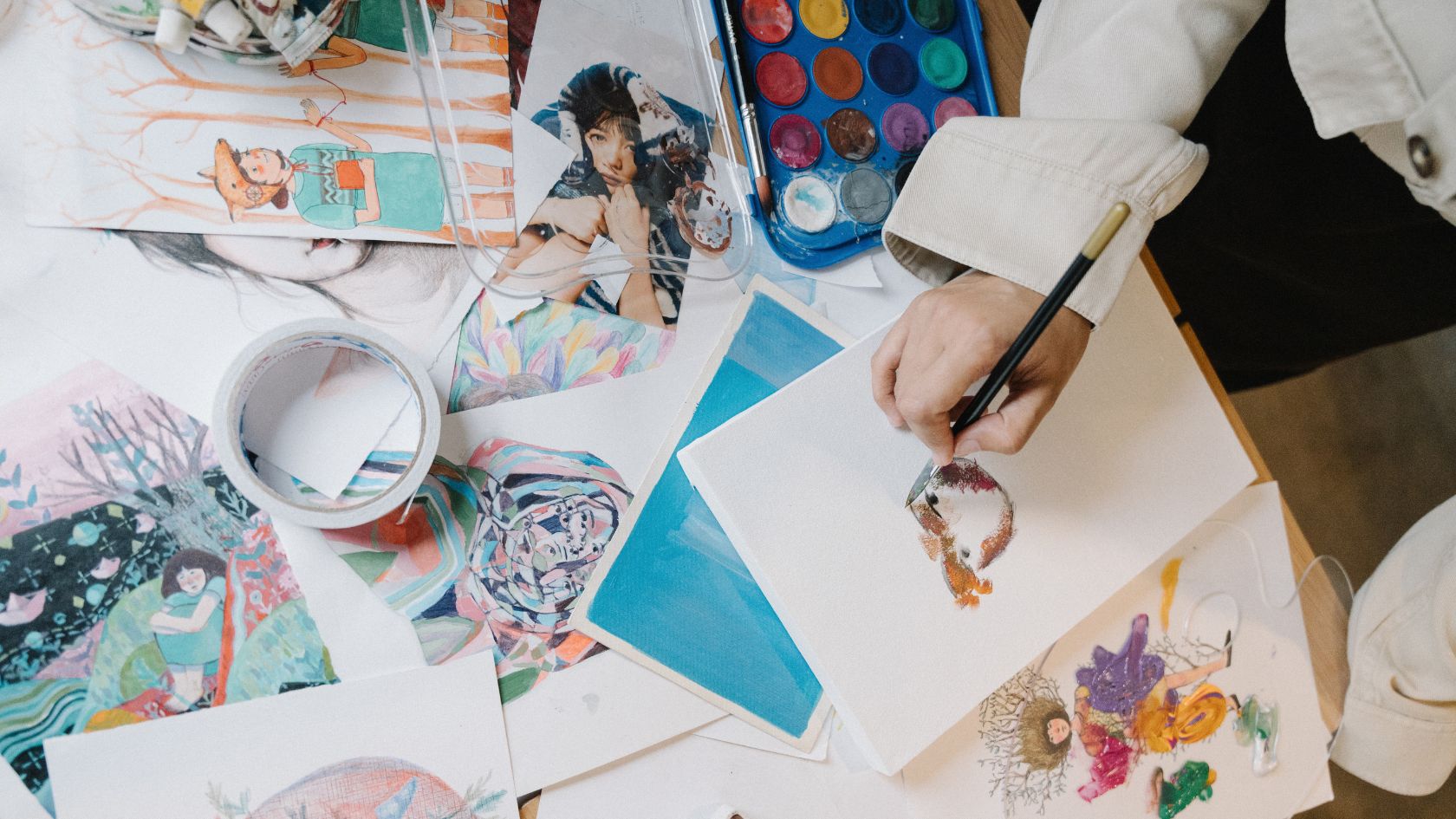
5. Find—and fiercely guard—the joy beyond the sale
In a market that feels increasingly transactional, it’s easy to forget why you started creating in the first place. But there was a time before the pressure. Before the metrics. When making art felt like freedom.
That joy still exists—and it matters more than you think.
Your studio doesn’t have to be a production line. Let it be a refuge. Let your creativity nourish you first. The curiosity, the play, the self-discovery—those are not side effects. They’re the soul of your work. And when you protect that joy, it becomes your most renewable resource.
Sales will ebb and flow. Recognition will come and go. But when you stay connected to the joy of creating, you remain rooted—resilient in a way no trend or downturn can take from you.